
Key Takeaways
- Raccoon baby season usually occurs in April and May, but births can happen earlier or later depending on conditions.
- Baby raccoons, called kits, are born in litters of three to seven and rely on their mothers for survival.
- Attics, crawl spaces, and chimneys can provide ideal nesting areas for mother raccoons and their young.
- Signs of raccoons in your home include noises, odors, damage, baby sounds, and frequent sightings.
- Professional raccoon removal helps protect your home from damage, health risks, and unwanted wildlife.
April showers and warmer days are signs that spring has arrived, but they also mark the beginning of raccoon baby season. Homeowners across Long Island often see an increase in raccoon activity as mothers search for protected places to raise their young.
Arrow Exterminating Company can help you professionally remove raccoons and prevent future infestations before they grow.
Need an Estimate for Your Commercial Property?
When Is Raccoon Baby Season?
Raccoons usually mate in late winter, with most mothers giving birth in April or May. But nature does not always follow a calendar. Changes in weather, especially unusually warm or delayed winters, can lead to babies arriving earlier in March or later in June. In rare cases, a mother raccoon that loses her litter may mate again and have babies as late as July.
So why should you pay attention to the raccoon breeding season? Expecting mothers are constantly searching for quiet, warm places away from predators. Your attic or other hidden areas around your home may look like the perfect place to raise a litter.
What Are Baby Raccoons Called?
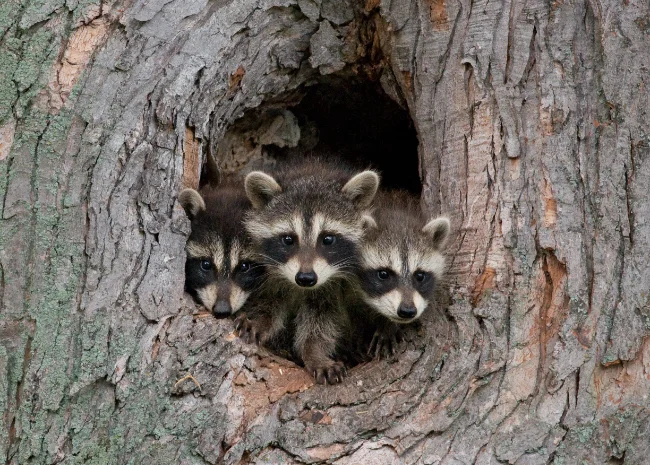
Baby raccoons are called kits, and a mother raccoon usually gives birth to one litter each year. Most litters include three to seven kits that rely completely on their mother for survival.
At birth, raccoon kits cannot see because their eyes remain closed. They typically open their eyes after about three weeks and are not weaned until they are 7 to 10 weeks old. During this time, they need a secure, sheltered place to grow, which is why attics, chimneys, and other hidden areas of homes can become attractive nesting locations.
Removing raccoons with young requires special care. The professionals at Arrow understand how to safely and humanely handle raccoon families while helping protect your home.
How to Tell If a Raccoon Has Entered Your Home
You can tell if raccoons are in your house by looking for signs such as noises, odors, damage, droppings, and signs of nesting in areas like attics or crawl spaces. Raccoons are often most active at night, so homeowners may hear them moving around above ceilings or inside walls after dark. Recognizing these warning signs early can help prevent costly damage and health risks.
Raccoons can also bring unwanted health risks into your home. They may carry mites, parasites, and other pests that can affect your household. Even more concerning, raccoons are known carriers of rabies. The Centers for Disease Control and Prevention (CDC) lists raccoons as one of the country’s primary rabies carriers and a “rabies vector species.”
Common Signs of Raccoons in Your Home:
- Baby Raccoon Sounds: If a mother raccoon has made a den in your home, you may hear baby raccoons crying, chirping, or making other high-pitched noises as they call for their mother, much like human babies.
- Unusual Noises at Night: Scratching, rustling, thumping, or other movement sounds coming from your walls, ceiling, or attic may indicate that raccoons are nesting inside your home.
- Strong Odors: A strong, unpleasant smell coming from your attic, walls, or other hidden areas may be caused by raccoon urine, droppings, or nesting materials left behind where they are living.
- Signs of Entry Damage: Damaged siding, bent roof vents, torn soffits, or other structural damage may indicate that a raccoon has forced its way into your house.
- Frequent Raccoon Sightings: Seeing an adult raccoon repeatedly on your property may indicate there is a nearby den, as mother raccoons often leave their nesting area to search for food for their young.
Are Baby Raccoons Dangerous?
While baby raccoons may look cute and harmless, they can still pose risks. If you attempt to pick up or move a kit, it may bite or scratch in self-defense. Baby raccoons can also carry mites, parasites, and other health concerns they may have received from their mother. That is why it is important to leave raccoon removal to professionals who know how to handle these situations humanely.
Raccoon kits are not born with rabies, but they can contract the virus soon after birth if they are exposed by an infected mother.
Because raccoons are protected wildlife in New York State, only licensed wildlife professionals, including experts at Arrow Exterminating, can legally trap and transport them. If raccoons have moved into your home, contact us before they cause serious damage. We have the experience and procedures needed to safely remove raccoons and protect your property.
Raccoon Problems? Arrow Exterminating Is Here to Help
The best way to handle a raccoon problem is to rely on the experienced professionals at Arrow Exterminating. For over 75 years, we have helped homeowners throughout Long Island protect their properties from unwanted wildlife. If raccoons have entered your attic, crawl space, or home, our team is ready to provide effective and humane solutions.
We understand the damage and stress raccoons can cause, and we are here to help you get back to enjoying a comfortable, critter-free environment. Contact Arrow Exterminating today and let our experienced wildlife specialists take care of your raccoon concerns.
Contact Arrow Exterminating today to learn how our wildlife experts can help remove raccoons and keep your home protected.
Raccoon FAQs
How long do raccoons stay in a den with their babies?
Mother raccoons typically care for their kits in a den for several weeks after birth. The young remain with their mother until they are old enough to explore and survive on their own.
Will raccoons leave my attic on their own?
Sometimes raccoons may leave temporarily to search for food, but they often return if they have created a den. Professional removal is the best way to prevent them from coming back.
What attracts raccoons to my property?
Raccoons are attracted to easily accessible food, water sources, and shelter. Open trash cans, pet food, gardens, and unsecured entry points can make your property more appealing.
How can I keep raccoons away from my home?
You can help deter raccoons by securing trash containers, removing outdoor food sources, trimming tree branches near your roof, and sealing possible entry points.
Why should I hire a professional for raccoon removal?
Professional wildlife specialists have the training and equipment needed to remove raccoons properly while protecting your home and following local wildlife regulations.


