

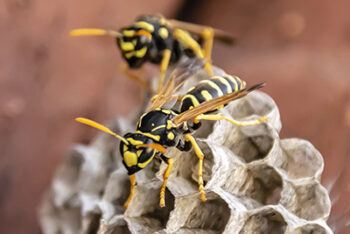
Wasps cause stress for anyone who’s had a close encounter. But if you take a moment to learn a bit more about these insects, it could make them less intimidating, and help you protect your property effectively. Whether you’re facing an active nest problem or just want to prevent one, here are some important facts about wasps and their habits.
1. Wasps Play a Bigger Role in Nature Than You Might Think
Though they’re often seen as nuisances, wasps actually serve an important ecological purpose. Like bees, they assist with pollination, but their smoother bodies make them less efficient. Their true benefit comes from their appetite. Wasps feed on a wide range of pest insects such as flies, aphids, beetle larvae, and caterpillars.
A single wasp colony can eliminate pounds of harmful insects from a yard over its lifetime, providing natural pest control for gardens and crops. They also scavenge on dead bugs, which helps keep ecosystems cleaner.
2. Wasp Nests Are Temporary, and Rebuilt Each Year
When spring arrives, fertilized queens awaken from their winter hibernation and begin constructing new nests. These structures often start small, just a few cells made from chewed wood pulp, but rapidly expand as worker wasps hatch and help with construction.
During summer, the colony thrives, growing to hundreds or even thousands of members. But as autumn approaches and food becomes scarce, most workers die off. Only the new queens survive, seeking shelter to overwinter and begin the cycle again next spring.
If you’re concerned about a nest on your property, call and learn about our nest removal services.
3. Wasps Are Most Aggressive in Late Summer and Fall
If you’ve ever thrown a backyard barbecue between August and October, you’ve likely had to deal with swatting away yellowjackets or wasps that refused to leave your food and drinks alone. But why do these stinging insects seem so much more aggressive during this time?
As summer winds down, wasps’ natural food sources begin to disappear. This shortage pushes them to become more frantic in their search for nutrition, making them bolder around people.
By mid to late summer, the queen has laid her final batch of eggs, which will grow into the next generation of queens and males that establish colonies in the following year. With no more larvae to feed, worker wasps no longer need to hunt for protein. Instead, their attention shifts to sweet foods for extra energy. Earlier in the summer, they rely on nectar from flowers, but by fall, those resources are limited.
This shift in behavior, paired with a scarcity of natural sugars and an abundance of human food during outdoor gatherings, creates the perfect storm for wasp encounters. As their environment changes, they’re drawn to sugary drinks, desserts, and anything that smells like food, putting wasps and people in direct competition.
4. Queens are Rarely Seen, but Their Stings Hurt More
Queen wasps are capable of stinging, but they spend most of their lives inside the nest, so it’s unlikely that the average person would ever come into contact with one. Early spring is an exception to this, where a queen is more likely to sting if she’s threatened while founding a new colony.
Because queens are larger, their stings can be more painful than those from worker wasps. Thankfully, these encounters are rare. Most people will only ever interact with workers defending the nest or searching for food.
5. Wasps Eat More Than Just Sugar
Wasps’ diets change throughout the year. While adults enjoy nectar, fruit, and other sugary substances, they also require protein to feed their young. During nesting season, workers hunt insects or scavenge meat to bring back to the larvae.
In late summer and fall, natural food sources like nectar and insects become scarce, pushing wasps to scavenge human food, especially around outdoor trash bins or picnic areas. This seasonal shift is a big reason why wasp activity peaks around people during these months.
Important Facts About More Common Types of Wasps in Long Island
Paper Wasps
- Paper wasps are one of the most recognizable species, building umbrella-shaped nests made from a mix of chewed wood fibers and saliva
- They’re less aggressive than yellowjackets but will defend their nests if threatened
- Their colonies are usually smaller, often fewer than 200 wasps
- They play an important role in controlling caterpillars and other garden pests
Velvet Ant Wasps (a.k.a. “Cow Killers”)
- Known for their bright red-orange coloring and extremely painful sting
- Despite their name, velvet ants are actually wingless female wasps
- Males, which have wings, do not sting
- These solitary wasps don’t form nests or colonies
- Females lay eggs in the nests of ground-nesting bees or wasps
- Though intimidating, they rarely sting unless handled
Mud Dauber Wasps
- Mud daubers are solitary wasps that build tube-like nests out of mud, often on walls, eaves, or sheds
- They’re not aggressive and rarely sting humans
- These wasps help control spider populations, capturing and paralyzing spiders to feed their larvae
- Once the larvae develop, the adults abandon the nest
- Mud daubers are one of the least threatening wasp species
Stay Comfortable and Wasp-Free
Whether you’re dealing with paper wasps under the eaves, yellowjackets near the lawn, or mud daubers around the garage, professional wasp control is the safest way to remove nests. A trained technician can identify the wasp species, locate hidden colonies, and treat them effectively without endangering your family or pets.
If you’re concerned about wasps around your home, contact Arrow Exterminating for expert wasp control and prevention services across Long Island.


