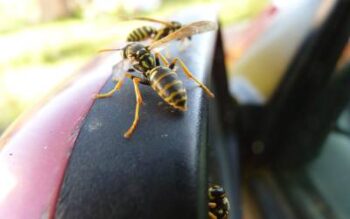


Flooding is a frequent consequence of the rainy season, and its impact goes beyond just water damage. Rising waters force pests like rats, cockroaches, mosquitoes, and flies into homes, where they can spread dangerous diseases. Inside, these pests reproduce quickly in hidden areas.
With their natural habitats disrupted, pests move toward humans in search of food and shelter. This can lead to contaminated surfaces, insect bites, and rapidly spreading bacteria, putting your family’s health at risk.
Discover practical steps to protect your home from pests after a flood.
Why Do Floods Cause Pest Infestations?
Once floodwaters recede, the remaining environment becomes perfect for pests. Stagnant water and decaying debris provide food and shelter, while high humidity speeds up their reproduction. Without intervention, infestations can grow quickly, but proactive pest control can prevent this.
Displaced from their natural habitats, pests find their way into homes through cracks in walls, damaged foundations, and broken vents. Overflowing sewers can introduce even more pests and disease. Basements often stay damp long after the flood, making them prime hiding spots that require careful attention.
What Flood-Related Pests Should You Watch For?
Rising waters force pests from their homes, pushing them toward human dwellings. The pests most commonly found after a flood include:
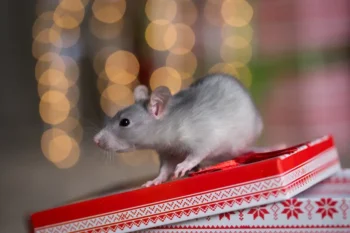
Rats
Rising floodwaters force rats from their underground burrows in search of food and safe shelter. These clever rodents can squeeze through openings as tiny as a coin, allowing them to enter homes with ease. Their adaptability makes them especially dangerous after floods.
Inside, rats leave urine and droppings that carry harmful bacteria. They are a serious health threat, spreading diseases such as leptospirosis and hantavirus. Immediate action is essential to prevent contamination and further infestation.
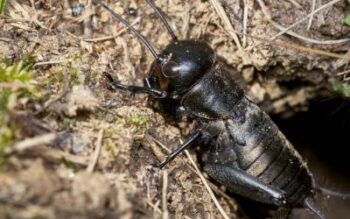
Cockroaches
Overflowing sewers during floods push cockroaches into homes seeking safety. These pests slip in through drains and cracks in walls after the floodwaters subside, and their capacity to endure underwater helps them survive. Their adaptability makes controlling them a real challenge.
Once inside, cockroaches contaminate food and surfaces with germs and droppings. Their presence can provoke allergies and trigger asthma attacks, especially in young children.
Mosquitoes
Standing water in containers, old tires, or low-lying yard areas can quickly become mosquito breeding sites. Within days, these spots can generate swarms, since mosquito eggs survive in stagnant floodwater. Prompt cleanup after flooding is vital to reduce mosquito activity.
Mosquitoes are not merely pests; they carry serious illnesses such as dengue, chikungunya, and malaria, where the diseases occur. Taking precautions helps keep your family safe.
Flies
Following a flood, flies are drawn to garbage and decaying organic matter, which serve as breeding grounds. The leftover mess creates ideal conditions for their rapid growth, making infestations more likely.
By moving between trash and household areas, flies transfer bacteria to surfaces and food. This can lead to foodborne illnesses and stomach infections for anyone in the home.
How Do Flood Pests Threaten Your Health?
Floodwaters leave behind conditions that allow pests to multiply rapidly, putting households at higher risk for illness. Here are several major health hazards linked to pests after floods:
- Leptospirosis: Spread through contact with rat urine, which can contaminate surfaces and water.
- Diarrhea & Cholera: Caused by flies spreading germs and exposure to contaminated water.
- Mosquito-Borne Diseases: Transmitted by mosquito bites, including inland floodwater species, potentially leading to illnesses such as dengue and malaria.
- Respiratory Problems: Triggered by mold and pest droppings in damp or poorly ventilated areas, which can worsen breathing issues.
How Should You Prepare Your Home for Flooding?
Rising waters can make your home a target for pests. Follow these steps to safeguard your home and basement from flood-related infestations:
- Seal Openings: Ensure all doors, windows, vents, and cracks are fully closed or sealed. This prevents pests from entering when floodwaters rise.
- Elevate Belongings: Raise furniture, electronics, and other valuable items off the floor. Keeping items elevated reduces hiding spots for pests and lowers the risk of infestations.
- Secure Food: Store all food in airtight containers. This helps prevent contamination and makes your home less appealing to pests.
- Pest Inspections: Schedule a pre-flood inspection with a pest control professional. Early detection and treatment can stop infestations before they start.
- Yard Maintenance: Remove debris, clean gutters, and keep your yard tidy. This minimizes mosquito breeding sites and reduces places where rodents can nest near your home.
How Do You Protect Your Home After a Flood?
Once floodwaters withdraw, acting promptly can help keep pests and bacteria under control. Here’s how to protect your home from infestations and contamination:
- Clean Immediately: Remove mud, food, and debris that may attract cockroaches and flies. Disinfect all surfaces exposed to floodwater to reduce bacteria and contamination risks.
- Mosquito Control: Drain standing water as quickly as possible to stop mosquito breeding. Treat clogged gutters and basement areas, and use mosquito screens or bed nets to protect living spaces.
- Rat and Cockroach Control: Seal cracks and holes in your foundation and basement to block pest entry. Store or remove exposed food to make your home less appealing to rats and cockroaches.
- Deal With Flies: Take out trash daily and make sure bins are tightly sealed. Use fly traps where needed and carefully dispose of decaying organic material.
Act Early Against Flood Pests with Arrow Exterminating Company
Persistent pests, scattered rat droppings, or relentless mosquito swarms after cleanup indicate a growing infestation. These signs show that the pests have already established themselves and are multiplying quickly. Immediate professional intervention is essential to prevent the problem from worsening.
Arrow Exterminating Company offers comprehensive pest control and prevention solutions. Our team conducts inspections, applies targeted treatments, and monitors your home to ensure safety during flood recovery.
Reach out to Arrow Exterminating Company now for a complete inspection and prompt, professional pest removal.