
Below, you’ll find the quick answer. Click to jump to our in-depth explanation of how and why rats get into attics.
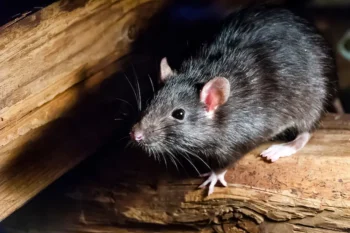 Rats are a common pest here in Long Island, and many infestations start in the attic. Your attic is one of the least trafficked areas of your house, so it makes sense. But how do rats get inside the attic?
Here’s the simple answer. We’ve narrowed it down to seven main attic access points that rats frequently use. They include:
- Roof and Eave Vulnerabilities
- Roof and Gable Vents
- Chimneys and Stacks
- Utility Openings
- Construction Gaps
- Garage Doors
- External Access Points
Need a Pest Control Estimate?

Leave your information below and we’ll be in touch with a FREE quote!
*During normal business hours. After hours calls will be returned the next business day.
Listen and Learn About Rats in Attics
Also, check out our video guide!
How Rats Get into Attics – Dive Deeper
Rats typically live outdoors and wander into homes when they’re searching for resources. They’re mostly creatures of opportunity, so they’ll usually only go inside when they find an easy access point.
Here are some important facts to know about how rats get into attics:
- Rats are incredibly agile and can infiltrate your home through various entry points, including those on your roof.
- Certain species, like roof rats, are adept at climbing trees or other structures to reach the tops of homes and buildings.
- They exploit weak points such as damaged shingles or gaps in windows.
- Additionally, rats can use vents and chimneys to gain access to your attic.
- Even a hole the size of a quarter is large enough for small rats to squeeze through, making nearly any opening a potential entry point for an infestation.
Most Common Attic Entry Points for Rats
 Roof and Eave Vulnerabilities: Rats squeeze through openings or damaged areas along the roofline, including gaps in soffits, fascia, and where the roof meets the walls.
- Roof and Gable Vents Unscreened attic, roof, or gable vents are an easy access point.
- Chimneys and Stacks: Uncapped chimneys or plumbing stacks offer an invitingly direct way inside.
- Utility Openings: Gaps around incoming pipes, electrical wiring, or air conditioning lines provide small but accessible pathways for rats.
- Construction Gaps: A major source of entry is the small, unsealed gaps left during construction, especially where different materials meet (e.g., where siding meets the brick foundation or at the corner seams of siding).
- Garage Doors: Poorly sealed garage doors provide easy access to the garage, from which rats can travel through interior walls to reach the attic.
- Crawl Space Vents: If the home has a crawl space, rats often enter there first and then climb plumbing or wiring through the walls.
- External Access Points: Rats use overhanging tree limbs, vines, and utility lines as bridges to get onto the roof and find an entry.
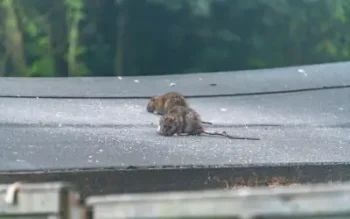 Roof and Eave Vulnerabilities: Rats squeeze through openings or damaged areas along the roofline, including gaps in soffits, fascia, and where the roof meets the walls.
Why Rodents Love Attics
Your attic may not be a place you like to spend a lot of time, but to a rat, it’s exactly what they’ve been looking for. From a rat’s perspective, your attic is a perfect, pre-furnished home with all the amenities needed for survival and nesting.
Here’s what makes your attic so attractive to them:
- Safe and Secluded: Your attic is the quietest and least-visited part of your home. This lack of human and pet traffic provides rats with an undisturbed sanctuary where they are safe from predators and threats. They can sleep, breed, and raise their young without fear of being discovered.
- Free Nesting Material: What you see as insulation, a rat sees as the perfect bedding. Fluffy fiberglass and cellulose insulation are easily shredded and burrowed into. Rats use this material to create warm, hidden nests, turning your home’s thermal protection into their personal nursery.
- Climate-Controlled Comfort: Heat from the rest of your house naturally rises, creating a consistently warm and dry environment in the attic. This makes it an especially desirable refuge during Long Island‘s cooler fall and winter months, protecting them from rain, wind, and cold temperatures.
How to Prevent Rats in Your Attic
When it comes to keeping rats out of your attic, proactive measures are key. After all, it’s much easier to take a few minutes to prevent an infestation than it is to treat one that has taken hold of your property. The best ways to keep rats out of your attic include:
- Sealing off potential entry points, such as broken shingles or holes in your roof. Avoid using materials like caulk, wood putty, or expanding foam alone, as rats can easily chew through them. The industry standard is to use rodent-proof materials like steel wool, copper mesh, or 1/4-inch hardware cloth packed into the hole before sealing with a sealant.
- Putting wire mesh into small vents could lead rats into your home
- Trim overhanging branches that rats can use to climb up to your roof
- Keep your gutters clean to cut off a potential source of water
Even with these steps, it’s important to remember that rats are resourceful creatures that can still find their way into your home despite your best efforts. For comprehensive and effective rat prevention, it is recommended to contact a professional exterminator like those at Arrow Exterminating.
Call Your Local Attic Rat Exterminators
While many homeowners are diligent about checking kitchens and basements for signs of rats, attics are frequently overlooked. And when you have one in the attic, these small creatures can have big consequences – from damage caused by chewed-up electrical wires to the diseases and bacteria rats spread, and much more.
Attempting DIY rat removal in the attic can be a frustrating endeavor. If you’re experiencing a rat infestation in your attic or anywhere else on your property, contact the rodent control experts at Arrow Exterminating for assistance. With our extensive knowledge, experience, and specialized tools, we’ll thoroughly inspect your attic to identify potential entry points. We’ll then create a targeted plan to eliminate current infestations and prevent future ones.
Don’t leave the safety of your home and family to chance — call Arrow Exterminating today and get the protection you need!


